

Common Misconceptions About Long-Term Convalescent Care
February 12, 2026 0 Comment Category: Convalescent CareLong-term convalescent care is often misunderstood because it sits at the intersection of medical recovery, daily support, and extended health management. Families and patients may encounter conflicting information about what this type of care actually provides, who it serves, and how it differs from other care settings. Misconceptions can lead to hesitation, unrealistic expectations, or confusion about care decisions.
Clarifying these misunderstandings helps people evaluate care options based on accurate information rather than assumptions. Long-term convalescent care is structured around real clinical needs and functional limitations, and its purpose is more specific than many realize. Understanding what it is and what it is not allows for more informed planning and communication with care providers.
Misconception: Convalescent Care Is Only for Short-Term Recovery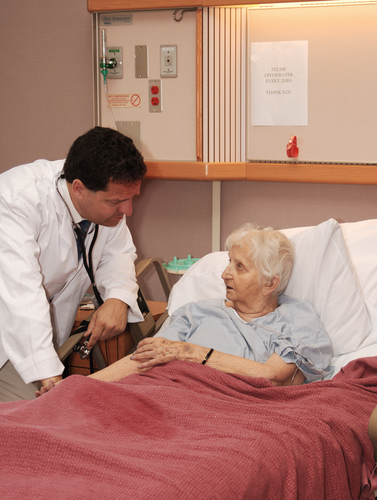
A common belief is that convalescent care exists only for brief rehabilitation following surgery or illness. While short-term recovery is one component, long-term convalescent care is designed for individuals who require ongoing medical oversight or assistance with daily living beyond an initial healing phase. Some conditions stabilize but do not fully resolve, making sustained support necessary.
Patients in long-term convalescent care may live with chronic conditions, mobility limitations, or neurological impairments that require consistent monitoring. The care model emphasizes maintaining health stability and functional ability rather than pursuing rapid discharge. This distinction matters because timelines are driven by clinical need, not arbitrary recovery expectations.
Misconception: It Is the Same as Hospital-Level Treatment
Another misunderstanding is that long-term convalescent care mirrors the intensity of acute hospital treatment. Hospitals focus on crisis stabilization and rapid medical intervention, while convalescent care operates at a different pace. The environment is structured around ongoing management rather than emergency response.
Clinical oversight remains present, but the goals shift toward daily function, symptom monitoring, and prevention of complications. This setting allows for continuity and routine, which can be essential for individuals whose needs are persistent rather than episodic. The difference lies in purpose, not in the absence of medical standards.
Misconception: Residents Are Entirely Dependent on Staff
People sometimes assume that individuals receiving long-term convalescent care have no independence. In reality, levels of ability vary widely. Many residents retain meaningful decision-making capacity and participate actively in their care routines.
Support is calibrated to each person’s functional abilities. Some individuals require assistance with mobility or medication management, while others remain largely self-directed with targeted supervision. The care framework aims to preserve autonomy where possible while addressing safety and health needs.
Misconception: Long-Term Care Means No Focus on Rehabilitation
There is a perception that rehabilitation stops once care becomes long term. In practice, maintenance therapies and functional exercises often continue as appropriate. Even when full recovery is not expected, preserving strength, coordination, and mobility remains clinically important.
Therapeutic activity may be adjusted to realistic goals rather than discontinued. This ongoing engagement supports circulation, joint health, and overall well-being. Rehabilitation in this context is less about milestones and more about preventing decline.
Misconception: Convalescent Care Is Primarily Custodial
Some view long-term convalescent care as simple custodial supervision rather than medically informed care. While assistance with daily tasks is part of the environment, clinical assessment and structured care planning remain central. Health conditions still require monitoring, medication oversight, and coordination among professionals.
The integration of daily support with medical management distinguishes this setting from purely residential supervision. Care decisions are guided by documented needs and evolving health status, not by routine alone.
Misconception: Families Lose Involvement Once Care Begins
A frequent concern is that entering long-term care reduces family participation. In practice, family communication remains a meaningful component of care coordination. Input about preferences, routines, and observed changes can inform how support is delivered.
Care environments typically encourage appropriate involvement while balancing clinical responsibilities. Families remain part of the broader support network, even as trained staff handle daily medical and functional oversight.
Misconception: Long-Term Convalescent Care Is Only for Older Adults
Although many residents are older, age alone does not define eligibility. Individuals of varying ages may require long-term support following injury, neurological events, or complex medical conditions. The determining factor is functional and clinical need, not age category.
This misconception can delay appropriate placement for younger individuals who would benefit from structured care. Understanding that eligibility is needs-based helps families evaluate options more objectively.
Misconception: All Long-Term Care Settings Provide the Same Level of Support
Not all extended care environments are interchangeable. Long-term convalescent care is structured around medical oversight combined with daily support, which differs from independent living arrangements or purely social residential settings. Evaluating care requires understanding what services are integrated into the model.
Facilities offering long-term convalescent support are organized to address medication management, monitoring, and functional assistance in a coordinated way. Learning how these services are structured can clarify expectations and inform decision-making. For a clearer picture of how this care model is organized, families often review resources describing a convalescent home and its clinical framework.
leave A comment