
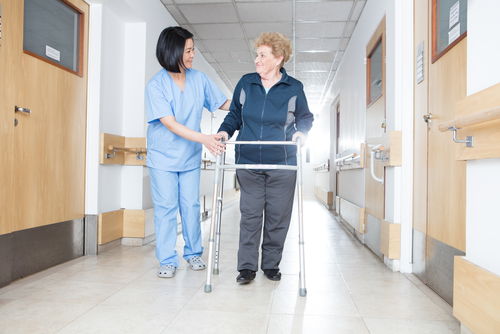
High-Medical-Need Placement Vs Standard Senior Care
February 20, 2026 0 Comment Category: Skilled NursingChoosing between high-medical-need placement and standard senior care involves understanding the level of clinical oversight, daily support, and medical complexity a resident requires. These two care models are designed for distinctly different health profiles, even though both may serve older adults who need assistance with daily living. The distinction is not based on age alone, but on the stability of medical conditions, the frequency of skilled interventions, and the risk of health complications.
Clear differentiation helps families, care coordinators, and healthcare providers match individuals to environments that can realistically meet their clinical and functional needs without over- or under-supporting their care.
Defining High-Medical-Need Placement
High-medical-need placement refers to care environments structured around ongoing clinical monitoring, complex treatment plans, and regular skilled interventions.  Residents in this category often have chronic illnesses, post-acute recovery needs, or conditions that require licensed nursing oversight throughout the day. These may include wound management, medication adjustments, IV therapies, or monitoring for unstable health conditions.
This type of placement is typically suitable when medical needs are ongoing rather than intermittent. The care model assumes that health status can change rapidly and that clinical staff must be equipped to respond promptly and effectively.
Understanding Standard Senior Care Settings
Standard senior care generally supports individuals who require assistance with daily activities but do not need intensive medical supervision. Services often focus on helping with mobility, hygiene, meals, and medication reminders rather than active medical treatment. Residents in these settings are usually medically stable, even if they live with chronic conditions.
The care structure prioritizes independence and routine support rather than clinical intervention. While staff may be trained in basic health observation, the environment is not designed for frequent medical procedures or complex treatment coordination.
Clinical Complexity and Health Stability
A primary factor distinguishing the two care models is the complexity of a resident’s health profile. High-medical-need placements are structured for individuals with conditions that require ongoing evaluation, such as advanced cardiac issues, neurological disorders, or recovery from major surgery. These residents may experience fluctuations that necessitate rapid medical assessment.
In contrast, standard senior care typically serves individuals whose conditions are predictable and well-managed. Even when assistance is needed daily, the expectation is that medical interventions remain limited and do not require continuous clinical supervision.
Level of Medical Supervision and Monitoring
High-medical-need environments maintain consistent oversight by licensed nurses and clinical staff who monitor vital signs, symptoms, and treatment responses. Regular assessments help identify subtle changes in condition that might otherwise go unnoticed in less medically focused settings. This level of supervision supports early intervention and structured care adjustments.
Standard senior care settings usually offer periodic wellness checks rather than continuous medical observation. Staff may track general well-being, but clinical monitoring is not the central function of the care model.
Staffing Structure and Skill Requirements
Facilities designed for higher medical needs employ a multidisciplinary clinical team that may include registered nurses, licensed vocational nurses, rehabilitation therapists, and medical consultants. The staffing ratio and training levels are aligned with the need for skilled care delivery, documentation, and coordination with physicians.
Standard senior care staffing is often centered around caregiving personnel who assist with daily living tasks. While trained and attentive, their role is supportive rather than medically intensive, and complex treatments are typically managed through external healthcare providers rather than onsite clinical teams.
Role of Skilled Treatments and Ongoing Therapies
Residents in high-medical-need placements often require structured therapies such as physical rehabilitation, occupational therapy, respiratory care, or specialized nursing treatments. These services are integrated into daily care plans and delivered according to physician-directed protocols. Access to such interventions can influence recovery timelines and functional maintenance.
Standard senior care environments may facilitate therapy appointments, but usually do not center daily operations around clinical treatment schedules. Therapies, if needed, are often arranged externally and are less frequent.
Risk Management and Medical Response Capabilities
Individuals with complex medical needs face a higher risk of complications, sudden health changes, and hospital readmissions. High-medical-need placements are structured to manage these risks through rapid clinical response, ongoing monitoring, and established medical protocols. Staff are trained to identify warning signs and escalate care when necessary.
Standard senior care environments are not typically equipped for advanced medical response. When a resident’s condition becomes unstable, external medical services are often required, which can lead to delays in treatment if higher clinical oversight is not readily available.
Care Planning and Coordination With Healthcare Providers
High-medical-need placement involves detailed care planning that integrates physician orders, nursing assessments, and therapeutic goals. Coordination between healthcare providers is continuous, particularly for residents with multiple diagnoses or complex medication regimens. Documentation and interdisciplinary communication are essential to maintaining consistency in care.
In standard senior care, care planning is generally focused on functional support and quality of life rather than intensive clinical coordination. Medical providers may still be involved, but oversight is less frequent and less integrated into daily operational routines.
Functional Support Versus Medical Dependency
Another key distinction lies in the balance between functional assistance and medical dependency. Residents in high-medical-need placements may require help not only with daily activities but also with medically necessary tasks such as injections, wound care, or specialized feeding methods. Their care needs extend beyond basic assistance into clinical management.
Standard senior care primarily addresses functional limitations such as mobility challenges, mild cognitive decline, or assistance with routine activities. Medical dependency is typically minimal, and daily care emphasizes maintaining independence wherever possible.
Appropriate Placement During Health Transitions
Health transitions, such as discharge from a hospital or progression of a chronic illness, often influence whether high-medical-need placement becomes necessary.
Individuals recovering from surgery, stroke, or serious illness may temporarily require a higher level of medical oversight before transitioning to a less intensive environment.
During these periods, structured clinical care environments, such as those offering skilled nursing care, can provide consistent monitoring and rehabilitative support while recovery stabilizes. Placement decisions during transitional phases should be based on current medical acuity rather than long-term living preferences alone.
Daily Routine, Environment, and Quality of Life Considerations
The daily structure in high-medical-need placements is often shaped by treatment schedules, clinical evaluations, and therapy sessions. While social engagement and routine activities are still present, medical care remains a central component of the resident experience. The environment is designed to accommodate medical equipment, mobility aids, and specialized care protocols.
Standard senior care settings typically emphasize routine, social interaction, and personal independence. Activities and daily schedules are less medically driven and more focused on comfort, engagement, and maintaining familiar lifestyle patterns within a supportive environment.
Insurance, Coverage, and Level-of-Care Determinations
Coverage eligibility and financial planning can differ significantly between high-medical-need placement and standard senior care. Medical necessity often determines whether certain services are covered under health-related benefits, particularly when skilled interventions or rehabilitation services are required. Documentation of clinical need plays a central role in these determinations.
Standard senior care is more frequently categorized as custodial support, which may not receive the same level of medical coverage. Understanding how care classifications affect financial responsibility helps ensure that placement decisions align with both healthcare requirements and long-term planning considerations.
leave A comment