

When Medical Needs Exceed What Home Care Can Safely Provide
April 3, 2026 0 Comment Category: Care CenterHome-based care can support many individuals with daily assistance, medication reminders, and basic monitoring. It often works well when medical needs are stable, predictable, and do not require frequent clinical judgment. For individuals recovering from minor procedures or managing early-stage chronic conditions, this level of care can provide comfort and familiarity while maintaining independence.
However, certain conditions and care requirements can reach a level where the home setting no longer provides adequate safety or clinical oversight. This shift is often gradual rather than sudden. Small changes, such as increased fatigue, difficulty managing medications, or more frequent symptoms, can signal a growing gap between what is needed and what can be safely delivered at home.
The Limits of Non-Clinical Home Support
 Most home care services are designed around assistance with activities of daily living such as bathing, dressing, meal preparation, and light supervision. These services are valuable for maintaining routine and reducing strain on family members. In some cases, they also include basic health-related tasks like checking blood pressure or reminding someone to take medication.
While some providers may offer limited medical support, continuous clinical care is not typically available in a home environment. When a person begins to require frequent clinical interventions, such as skilled wound care, monitoring for infection, or adjustments based on changing symptoms, the absence of trained medical staff becomes a clear limitation. In these situations, delays in recognizing complications or responding to changes can increase the likelihood of avoidable health issues.
Increasing Complexity of Medical Conditions
Chronic illnesses can evolve, often becoming more complex to manage. A once stable condition may begin to involve additional symptoms, new medications, or complications that require closer attention. For example, someone with heart disease may develop fluid retention or irregular heart rhythms that require careful monitoring and timely intervention.
As complexity increases, so does the need for clinical judgment. Adjusting medications, interpreting subtle changes in symptoms, and coordinating multiple aspects of care require training and experience. Without that level of oversight, care decisions may become reactive rather than proactive, which can lead to cycles of decline and recovery that are difficult to stabilize in a home setting.
Frequent Changes in Health Status
One of the clearest indicators that home care may no longer be sufficient is a pattern of frequent health fluctuations. This may include repeated infections, unstable blood pressure readings, changes in breathing patterns, or episodes of confusion. These changes often require timely evaluation to determine whether intervention is needed.
In a home setting, monitoring may be intermittent, meaning changes are not always identified early. A caregiver may only notice symptoms during scheduled visits, leaving gaps where conditions can worsen. Skilled environments are structured to observe and respond to these fluctuations continuously, allowing for earlier intervention and more consistent stabilization.
Need for Ongoing Skilled Nursing Interventions
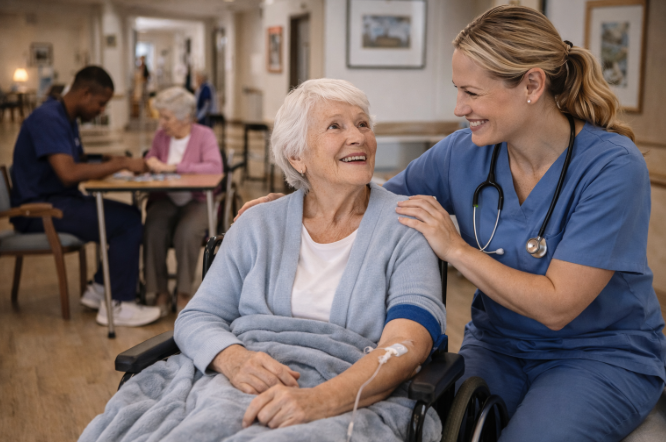
Some individuals require daily or even continuous medical interventions that must be performed by licensed professionals. This can include intravenous therapy, complex wound management, catheter care, respiratory treatments, or monitoring devices that require interpretation and adjustment.
Providing this level of care at home often requires coordination with external providers, such as visiting nurses or outpatient services. These arrangements can create gaps in care, particularly outside scheduled visits. In contrast, environments that offer home care services with integrated clinical oversight can maintain continuity, ensuring that treatments are delivered consistently and that changes in condition are addressed without delay.
Medication Management Beyond Basic Support
Basic medication reminders are a common feature of home care, but more advanced needs can exceed what this level of support can safely handle. Many individuals require complex regimens involving multiple medications taken at different times of day, sometimes with specific conditions such as food intake or monitoring of side effects.
Errors in medication timing, dosage, or interactions can lead to significant health consequences, including adverse reactions or worsening of underlying conditions. When treatment plans involve frequent changes or medications with narrow safety margins, clinical supervision becomes essential. This allows for ongoing evaluation and adjustment based on how the patient is responding.
Mobility Challenges and Risk of Injury
As mobility declines, the risk of falls and related injuries increases. Even with home modifications such as grab bars or mobility aids, the environment may not fully accommodate changing physical needs. Once manageable tasks, such as getting out of bed or walking to the bathroom, can become high-risk activities.
Individuals who require assistance with transfers, repositioning, or ambulation throughout the day and night may not receive timely support in a home setting. Delays in assistance can result in falls, prolonged pressure on certain areas of the body, or difficulty recovering from minor incidents that escalate into more serious complications.
Cognitive Decline and Safety Concerns
Conditions such as dementia or severe cognitive impairment introduce additional layers of risk that are difficult to manage outside of a structured environment. Individuals may forget to take medications, leave appliances on, or attempt to leave the home without awareness of their surroundings.
Home care can provide supervision during scheduled visits, but continuous monitoring is often not feasible. As cognitive decline progresses, the unpredictability of behavior increases, making it harder to ensure safety at all times. This can create situations where even brief periods without supervision carry significant risk.
Caregiver Capacity and Burnout
 Family members often play a central role in home care, especially when professional services are limited to certain hours. While this arrangement can work well initially, increasing care demands can place significant strain on caregivers over time. Physical tasks such as lifting or assisting with mobility can become difficult, particularly without proper training.
Emotional stress also plays a role. Managing complex medical needs, coordinating appointments, and maintaining vigilance throughout the day can lead to fatigue and burnout. When caregiver capacity is exceeded, even routine aspects of care can become inconsistent, affecting both safety and overall well-being.
Coordination of Multiple Treatments and Providers
Many individuals with advanced medical needs require input from multiple healthcare professionals, including physicians, therapists, and specialists. Each provider may contribute a different aspect of care, such as medication management, rehabilitation, or monitoring of specific conditions.
Coordinating these services within a home setting can be challenging. Communication between providers may not always be direct, and family members often take on the responsibility of relaying information. This can lead to missed details, delays in adjustments, or inconsistencies in how care plans are carried out.
Recognizing When Transition Becomes Necessary
The transition away from home care is rarely defined by a single event. It is typically the result of cumulative factors, including increasing medical complexity, safety concerns, and the limits of available support. These factors often build gradually, making it important to assess changes over time rather than relying on a single point of evaluation.
Recognizing these indicators early allows for more thoughtful planning and reduces the likelihood of emergency decisions. Evaluating the level of care required against what can realistically be provided at home helps ensure that individuals receive appropriate support as their needs evolve, maintaining both safety and continuity of care.
leave A comment