
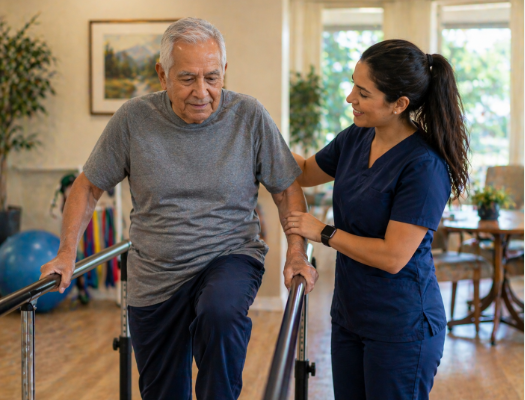
What Is a Convalescent Home and Who Needs One?
April 23, 2026 0 Comment Category: Convalescent CareA convalescent home is a licensed care facility that provides short-term medical supervision, nursing care, and rehabilitation services for people recovering from surgery, a serious illness, or a significant injury. If your loved one has just been discharged from the hospital but is not yet ready to return home safely, a convalescent home bridges that gap with the professional care they need to fully recover.
Families in Pasadena often hear this term for the first time from a hospital discharge planner, and the questions come quickly. What exactly happens there? How long will they need to stay? Is this the same as a nursing home? This guide answers all of it, plainly and honestly, so you can make the right decision without second-guessing yourself.
What Happens Inside a Convalescent Home
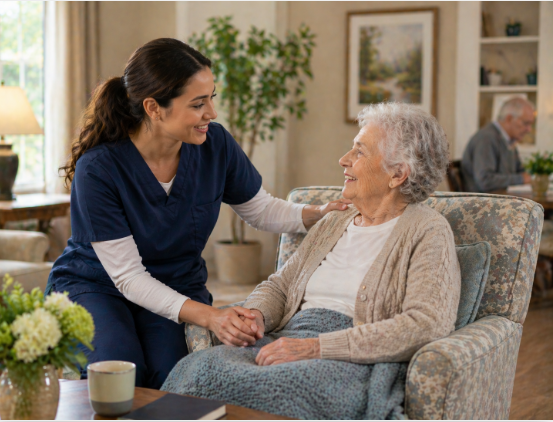 A convalescent home is built around one goal: helping your loved one get well enough to go home. The care team typically includes registered nurses, licensed vocational nurses, certified nursing assistants, physical therapists, occupational therapists, and speech therapists, all working from a care plan tailored to your loved one’s specific recovery needs.
On a typical day, a resident might start with a morning assessment by the nursing team, attend a physical therapy session focused on rebuilding strength and mobility, receive any prescribed medications or wound care treatments, share meals with other residents in a common dining room, and rest during the afternoon before an evening check-in. The rhythm is structured but not institutional. The environment is designed to support healing, not simply monitor it.
At Foothill Heights Care Center, the clinical team coordinates directly with your loved one’s physicians to ensure every stage of recovery is tracked and adjusted as progress develops. Families are kept informed and included in care planning throughout the stay.
Who Actually Needs a Convalescent Home
The need for convalescent care is not always obvious when you are standing in a hospital room trying to understand a discharge plan. Here are the situations where a convalescent home is typically the right next step.
After orthopedic surgery. Hip replacement, knee replacement, and spinal procedures require a structured rehabilitation period that most homes simply cannot provide safely. Your loved one needs skilled physical and occupational therapy every day, medication management, and nursing oversight while the bone and tissue heal.
After a stroke. Stroke recovery often requires speech therapy to address language and swallowing difficulties, along with physical and occupational therapy to rebuild function on the affected side. This level of coordinated rehabilitation requires a clinical setting.
After a cardiac event. Someone recovering from a heart attack or cardiac surgery needs monitored activity progression, medication management, and education about diet and lifestyle changes. These needs exceed what a family caregiver can safely handle alone at home.
After pneumonia or a serious infection. Older adults who have been hospitalized for respiratory illness often return home weaker than families expect. IV medications, respiratory therapy, and careful monitoring during the final stages of recovery can make the difference between a full recovery and a readmission.
When home is not yet safe. Even when your loved one is medically stable, the home environment may not support recovery. Stairs, bathroom configuration, a caregiver who is not equipped to handle wound care or medication management — these are legitimate reasons to choose convalescent care even when the medical picture looks good.
Convalescent Home vs. Nursing Home: What Is the Difference
This is the question families ask most often. The core difference is time and intent.
| Feature | Convalescent Home | Long-Term Nursing Home |
|---|---|---|
| Primary purpose | Short-term recovery and rehabilitation | Ongoing residential care |
| Average length of stay | 2 to 6 weeks | Months to years |
| Goal of stay | Return home at the highest possible function | Safe, supported daily living |
| Therapy intensity | Daily skilled therapy sessions | Maintenance therapy as needed |
| Medicare coverage | Covered under Part A (with qualifying hospital stay) | Limited; custodial care is generally not covered |
Many facilities, including Foothill Heights, provide both convalescent care and long-term skilled nursing under one roof. Understanding the distinction helps you ask the right questions when touring a facility and helps you understand the billing structure before placement.
How Long Does Convalescent Care Typically Last
 Most convalescent stays last between two and six weeks, though the actual length depends on the diagnosis, the pace of recovery, and the goals set in the care plan. Medicare Part A covers up to 100 days in a skilled nursing facility per benefit period, provided eligibility conditions are met. The first 20 days are fully covered. Days 21 through 100 require a daily copayment, which was $204.00 per day in 2024 according to Medicare.gov. After day 100, Medicare coverage ends, and the family must arrange private payment or pursue Medi-Cal eligibility.
The discharge planning process begins on admission, not at the end of the stay. The care team at Foothill Heights sets measurable recovery goals with your family from the first day and adjusts the plan continuously as your loved one progresses.
Does Medicare Cover a Convalescent Home Stay
Medicare Part A covers convalescent and skilled nursing facility care when three conditions are met. First, your loved one must have had a qualifying inpatient hospital stay of at least three consecutive days, not counting the discharge day. Second, the admission to the facility must occur within 30 days of that hospital discharge. Third, a physician must certify that skilled care — such as skilled nursing, physical therapy, occupational therapy, or speech therapy — is medically necessary.
Medi-Cal covers long-term nursing home care for qualifying low-income residents in California. Eligibility is based on income and asset limits, and the application process can take time. Families who anticipate a longer stay or who are uncertain about coverage should contact the California Department of Health Care Services or speak with a social worker at the facility about next steps.
Understanding how this type of care fits within the broader landscape of skilled nursing care can help clarify what services Medicare will and will not cover during a stay.
What to Look for When Choosing a Convalescent Home in Pasadena
 Not every facility is the same, and the quality of care your loved one receives will depend significantly on which one you choose. Here are the questions that matter most during a tour or phone call.
Ask about staffing ratios, specifically how many residents each certified nursing assistant is responsible for on the day shift, evening shift, and overnight. Lower ratios mean more attentive care. Ask whether the therapy team is employed directly by the facility or contracted, as in-house therapists tend to be more integrated with the nursing team. Ask to see the most recent state inspection report, which facilities are required to make available. Ask what the discharge planning process looks like and what support the facility offers to families after a loved one returns home.
Foothill Heights Care Center has served Pasadena and the surrounding San Gabriel Valley communities for decades. The facility is staffed by experienced licensed nurses and a dedicated rehabilitation team that provides physical, occupational, and speech therapy on-site. The care philosophy is built around returning your loved one to the highest possible level of independence.
Families considering convalescent placement can also review the full range of convalescent care services at Foothill Heights to understand what the team provides and how the admission process works.
Frequently Asked Questions About Convalescent Homes in Pasadena
Is a convalescent home the same as a skilled nursing facility?
These terms are often used interchangeably, and in California, they typically refer to the same type of licensed facility. Both provide short-term nursing care and rehabilitation following a hospital stay. The term “convalescent home” is older and more common in everyday conversation, while “skilled nursing facility” is the official Medicare and licensing terminology. When a hospital discharge planner mentions either term, they are generally referring to the same level of care.
How do I know if my loved one is ready to go home from a convalescent home?
The care team uses measurable functional benchmarks to determine discharge readiness. These typically include the ability to perform basic daily activities safely, such as transferring from bed to chair, walking to the bathroom, and managing medications. The team also assesses the home environment and caregiver capacity. Discharge planning is a collaborative process that includes your family, and no one should feel pressured to bring a loved one home before those benchmarks are met.
Can I visit my loved one every day while they are in a convalescent home?
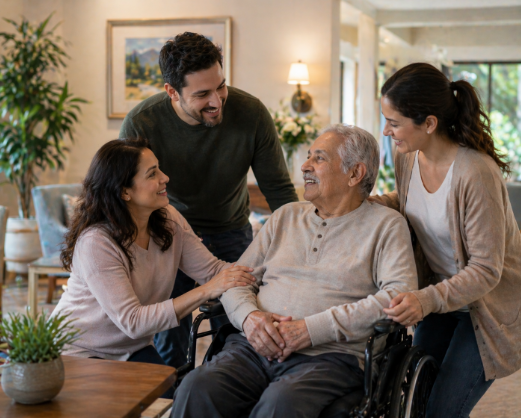
Yes. Family visits are not only permitted but encouraged. Research consistently shows that regular family involvement improves recovery outcomes and emotional well-being. At Foothill Heights, families are welcome to visit, participate in care conferences, and stay informed about the recovery plan at every stage of the stay.
What is the difference between convalescent care and assisted living?
Convalescent care is clinical and short-term. It is focused on recovering from a specific medical event under nursing and therapy supervision, with Medicare coverage often applying. Assisted living is residential and long-term. It supports people who need help with daily activities like bathing, dressing, and meals, but who do not require 24-hour nursing care. A person might use convalescent care to recover from hip surgery and then transition to assisted living if they need ongoing support at home but cannot manage independently.
Does Medi-Cal cover convalescent home stays in California?
Medi-Cal can cover care in a licensed skilled nursing facility for eligible California residents. Eligibility is based on income and asset criteria, and coverage is primarily used for longer-term stays once Medicare benefits are exhausted. Families who believe their loved one may qualify should speak with the facility’s social worker or contact the California Department of Health Care Services. The application process takes time, so beginning it early is important.
What should I bring when my loved one is admitted to a convalescent home?
The facility will provide a specific admission checklist, but most convalescent homes ask families to bring comfortable clothing and footwear, personal hygiene items, a list of current medications, insurance cards and identification, contact information for the attending physician, and any personal items that provide comfort, such as family photos. Leave valuable jewelry and large amounts of cash at home.
Taking the Next Step for Your Loved One
If someone you love is preparing for hospital discharge and you are not sure where to turn, Foothill Heights Care Center in Pasadena is ready to help you understand your options and make a plan. The admissions team works directly with hospital discharge planners and can often facilitate a smooth transition within 24 to 48 hours. Call (626) 798-1111 to ask questions, check bed availability, or schedule a tour. You do not have to make this decision alone.
Schedule A Tour Today and see firsthand why families across Pasadena, Arcadia, Monrovia, Temple City, and the San Gabriel Valley trust Foothill Heights with the people they love most.
Foothill Heights Care Center1515 North Fair Oaks Ave
Pasadena, CA 91103
(626) 798-1111
leave A comment