
Where To Find High-Acuity Skilled Nursing Support In The San Gabriel Valley
April 8, 2026 0 Comment Category: Skilled NursingHigh-acuity skilled nursing support is required when a patient’s medical needs exceed what can be safely managed at home or in lower-level care environments. This level of care typically follows hospitalization or is needed for individuals with complex, ongoing medical conditions. Understanding where and how to find appropriate care involves more than location. It requires evaluating clinical capabilities, staffing structure, and the ability to manage instability or rapid changes in condition.
What Defines High-Acuity Skilled Nursing Care
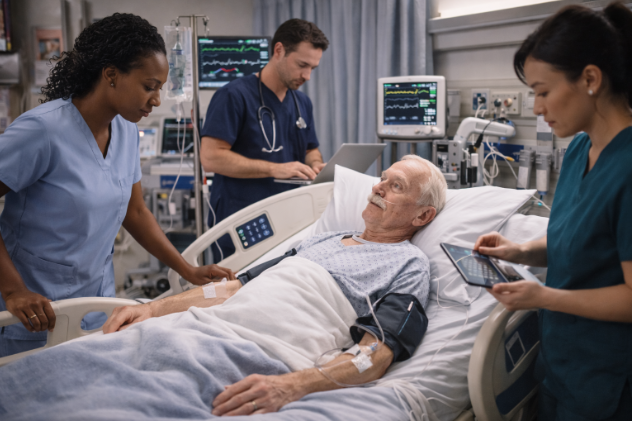 High-acuity care refers to patients who require close medical oversight, frequent clinical interventions, and coordinated care from multiple disciplines. These patients may depend on intravenous medications, advanced wound care, respiratory support, or ongoing monitoring for conditions that can shift quickly. The defining feature is not a single diagnosis but the intensity and consistency of care required throughout the day.
Facilities providing this level of care must be equipped to handle both planned treatments and unexpected complications. This includes the ability to respond to changes in vital signs, medication reactions, or deterioration in functional status without delay.
Clinical Services Required For Complex Patient Needs
Patients with high-acuity needs often require a combination of medical services delivered in a structured and consistent manner. These may include IV therapy, enteral feeding, catheter management, and post-surgical care. In many cases, care plans also involve multiple medications with precise timing and dosage requirements.
Access to rehabilitation services such as physical, occupational, and speech therapy may also be necessary, especially when recovery from injury or illness is ongoing. The ability to coordinate these services within the same setting reduces fragmentation and supports continuity of care.
The Role Of Licensed Nursing Staff And Clinical Oversight
High-acuity care depends heavily on the availability and experience of licensed nursing staff. Registered nurses and licensed vocational nurses are responsible for administering treatments, monitoring patient status, and communicating changes to physicians. Staffing ratios and training levels directly impact the facility’s ability to manage complex conditions safely.
Clinical oversight also includes physician involvement, either on-site or through scheduled visits and consultations. In higher-acuity environments, timely communication between nurses and physicians is essential to adjust treatment plans based on evolving patient needs.
How Hospitals Coordinate Discharge To Skilled Nursing Facilities
Discharge planning begins while a patient is still hospitalized. Case managers and discharge planners assess the patient’s condition, anticipated needs, and the level of care required after leaving the hospital. When high-acuity support is necessary, they identify facilities capable of managing those needs.
This process often includes reviewing clinical documentation, confirming the availability of specialized services, and ensuring that the receiving facility can accept the patient without delay. Proper coordination reduces the risk of gaps in care during the transition period.
For individuals requiring ongoing skilled nursing support, discharge teams typically prioritize facilities with demonstrated experience in handling complex medical cases and maintaining continuity with hospital-level treatment plans.
Evaluating A Facility’s Capacity For High-Acuity Care
Not all skilled nursing facilities are equipped to manage high-acuity patients. Evaluating capacity involves reviewing the types of services offered, the availability of specialized equipment, and the qualifications of clinical staff. Facilities that regularly handle complex cases often have established protocols for managing complications and coordinating multidisciplinary care.
Other indicators include the presence of dedicated treatment areas, access to on-site therapy services, and the ability to manage specialized diets or medication regimens. Transparency in how care is delivered can help clarify whether a facility is appropriate for higher-level needs.
Common Conditions That Require Higher-Level Nursing Support
High-acuity skilled nursing care is commonly required for patients recovering from major surgeries, such as joint replacements or cardiac procedures. It is also necessary for individuals with chronic conditions like advanced diabetes, heart failure, or neurological disorders that require close monitoring and intervention.
Patients with complex wounds, infections requiring IV antibiotics, or respiratory conditions needing oxygen therapy or ventilator support also fall into this category. In each case, the need for consistent medical oversight distinguishes high-acuity care from standard post-acute services.
Importance Of Interdisciplinary Care Planning
Managing high-acuity patients requires coordination across multiple disciplines. Nurses, physicians, therapists, dietitians, and social workers all contribute to the development and adjustment of care plans. This collaborative approach ensures that medical treatment, rehabilitation, and daily care needs are aligned.
Regular care conferences and updates allow the team to respond to changes in the patient’s condition. This structure supports both clinical stability and progress toward recovery or long-term management goals.
Monitoring, Documentation, And Response To Change
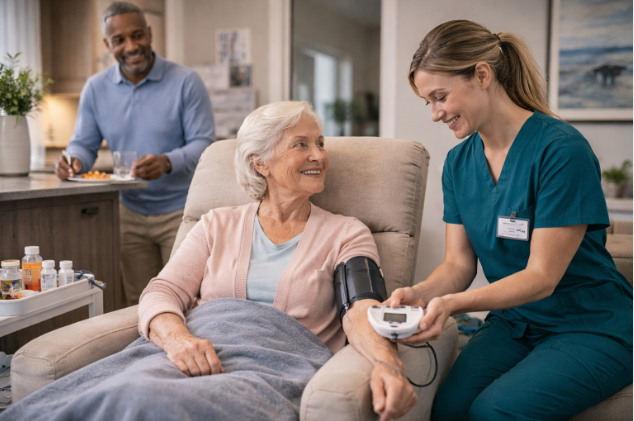 Continuous monitoring is a central component of high-acuity care. Vital signs, lab results, and patient responses to treatment must be tracked and documented consistently. Accurate documentation supports informed decision-making and helps identify trends that may indicate improvement or decline.
Equally important is the facility’s ability to respond to changes. This includes recognizing early signs of complications and initiating appropriate interventions. A timely response can prevent hospital readmission and support a more stable recovery.
Access To Specialized Equipment And Treatment Protocols
High-acuity care often depends on the availability of specialized equipment. This may include infusion pumps, wound care systems, respiratory devices, and monitoring tools that support precise treatment delivery. Facilities must maintain and manage this equipment to ensure safe and effective use.
Standardized treatment protocols also play a role in maintaining consistency. These protocols guide staff in managing common conditions and responding to specific clinical scenarios, reducing variability in care and supporting better outcomes.
Balancing Medical Needs With Daily Living Support
In addition to medical care, patients with high-acuity needs require assistance with daily activities such as mobility, hygiene, and nutrition. Integrating these services with clinical care ensures that patients receive comprehensive support throughout the day.
Staff must be trained to manage both medical and personal care tasks without compromising either. This balance is particularly important for patients whose conditions affect their ability to perform basic activities independently.
leave A comment