

Clinical Stabilization After Major Surgery Or Acute Illness
April 13, 2026 0 Comment Category: Care CenterClinical stabilization refers to the period immediately following a major surgery or acute medical event when a patient’s condition is no longer rapidly changing but still requires close medical oversight. During this phase, the focus shifts from urgent intervention to careful monitoring, gradual recovery, and prevention of secondary complications. Stabilization is not a single moment but a structured process that unfolds over days or weeks, depending on the individual’s condition.
This stage often begins after discharge from an intensive hospital setting, where the immediate crisis has been addressed but the patient is not yet ready to return to independent living. Ongoing support through a post-acute care service provides the clinical framework needed to maintain stability while recovery continues.
What Clinical Stabilization Involves
 Clinical stabilization involves maintaining consistent physiological function while the body recovers from stress, trauma, or illness. This includes stabilizing vital signs such as heart rate, blood pressure, oxygen levels, and temperature. It also involves ensuring that organ systems are functioning within safe ranges without requiring emergency intervention.
Beyond vital signs, stabilization also addresses pain control, wound healing, medication tolerance, and cognitive status. Patients may still be vulnerable to setbacks, so care teams focus on identifying small changes early before they develop into larger complications.
Transition From Acute Care To Stabilization
After a major surgery or acute illness, patients often move from a high-intensity hospital environment to a setting focused on recovery. This transition marks a shift in care priorities. Instead of immediate life-saving measures, the emphasis moves toward maintaining consistency and supporting gradual improvement.
This phase requires careful coordination. Medical records, medication plans, and treatment goals must be clearly communicated to ensure continuity. Without structured follow-through, gaps in care can lead to destabilization, particularly in patients with complex medical histories.
Monitoring Vital Functions And Early Warning Signs
Continuous monitoring remains essential during stabilization, though it is typically less intensive than in critical care units. Healthcare providers track trends rather than isolated readings, looking for subtle deviations that may indicate infection, dehydration, or cardiovascular stress.
For example, a slight increase in heart rate combined with low-grade fever may signal the early stages of infection. Identifying these patterns allows for timely intervention, often preventing the need for hospital readmission.
Medication Management And Adjustment
Patients recovering from surgery or acute illness are often prescribed multiple medications, including antibiotics, anticoagulants, pain medications, and chronic disease treatments. During stabilization, these medications are carefully managed and adjusted based on the patient’s response.
Dosages may be modified as the patient’s condition evolves. Some medications introduced during hospitalization may be tapered or discontinued, while others are continued for long-term management. Monitoring for side effects, interactions, and effectiveness is a central part of maintaining stability.
Wound Care And Physical Recovery
For surgical patients, wound care is a critical component of stabilization. Proper cleaning, dressing changes, and monitoring for signs of infection are necessary to support healing. Delays or complications in wound recovery can significantly affect overall progress.
At the same time, physical recovery begins gradually. Patients may start with assisted movement, progressing to more independent mobility as strength returns. The pace of this progression depends on the type of surgery or illness, as well as the patient’s baseline health.
Managing Pain Without Disrupting Recovery
Pain is a common factor after major surgery or illness, but its management must be balanced carefully. Excessive pain can limit mobility and delay recovery, while overly aggressive pain control can lead to sedation, confusion, or respiratory issues.
Stabilization involves finding a functional balance where pain is controlled enough to allow participation in recovery activities without introducing additional risks. This often requires regular reassessment and adjustment of pain management strategies.
Preventing Secondary Complications
One of the primary goals during clinical stabilization is to prevent complications that can arise after the initial medical event. These may include infections, blood clots, pressure injuries, and respiratory issues.
Preventive measures are integrated into daily care. This may include repositioning to avoid pressure injuries, encouraging movement to reduce clot risk, and monitoring respiratory function to prevent pneumonia. Each intervention is designed to reduce risk without overburdening the patient.
Nutritional Support And Hydration
Nutrition plays a significant role in recovery and stabilization. After surgery or illness, the body requires additional energy and nutrients to support healing. However, appetite and digestion may be affected, making adequate intake challenging.
Care teams assess nutritional status and may recommend modified diets, supplements, or assisted feeding when necessary. Hydration is also closely monitored, as even mild dehydration can impact blood pressure, kidney function, and overall stability.
Cognitive And Emotional Stability
Recovery is not limited to physical health. Patients may experience confusion, anxiety, or mood changes following major medical events. These changes can be temporary or may reflect underlying conditions that require attention.
Stabilization includes monitoring cognitive function and emotional well-being. Clear communication, structured routines, and supportive care help reduce disorientation and stress. In some cases, additional evaluation may be needed to address persistent cognitive changes.
Gradual Return To Functional Independence
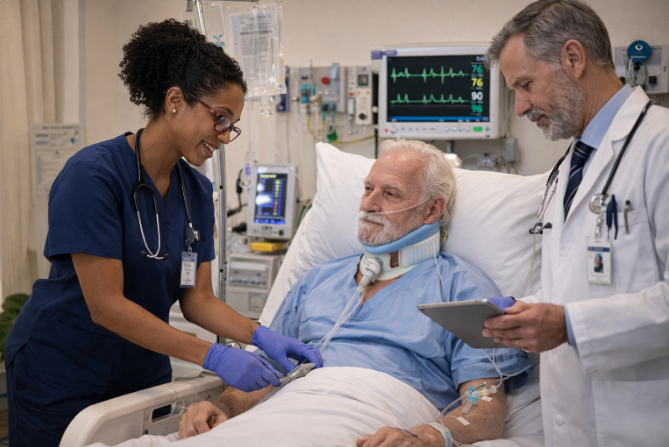 As stabilization progresses, attention shifts toward restoring daily function. This includes activities such as walking, dressing, eating independently, and managing basic self-care tasks. The goal is not immediate independence but steady improvement over time.
Therapeutic support may be introduced to assist with mobility, coordination, and endurance. Progress is measured incrementally, with adjustments made based on the patient’s tolerance and overall condition.
Coordination Between Care Providers
Clinical stabilization often involves multiple healthcare professionals, including physicians, nurses, therapists, and support staff. Effective coordination ensures that all aspects of the patient’s care are aligned and that changes in one area are communicated across the care team.
Regular updates and shared care plans help maintain consistency. This collaborative approach reduces the likelihood of conflicting treatments or overlooked issues, which can otherwise disrupt stabilization.
Recognizing When Stabilization Has Been Achieved
Stabilization is considered achieved when the patient’s condition remains consistent without the need for frequent medical intervention. Vital signs are stable, medications are well-managed, and the risk of immediate complications has decreased.
At this point, care can transition further toward long-term recovery planning. However, even after stabilization, continued monitoring and support may be necessary to maintain progress and address any lingering challenges.
leave A comment