

Interdisciplinary Care Conferences In Skilled Nursing Facilities
March 5, 2026 0 Comment Category: Skilled NursingInterdisciplinary care conferences are structured meetings where multiple healthcare professionals review and coordinate a resident’s care plan. These conferences are a standard component of clinical practice in long-term and post-acute care settings. Their purpose is to ensure that every aspect of a resident’s medical, functional, and psychosocial needs is evaluated through collaboration rather than isolated decision-making.
Because residents in skilled nursing facilities often require complex medical support, care planning typically involves input from several disciplines. Care conferences provide a formal setting where clinical observations, treatment goals, and day-to-day care experiences are shared among the professionals responsible for the resident’s well-being. This coordinated approach helps align treatment plans with the resident’s evolving condition and personal goals.
Purpose Of Interdisciplinary Care Conferences
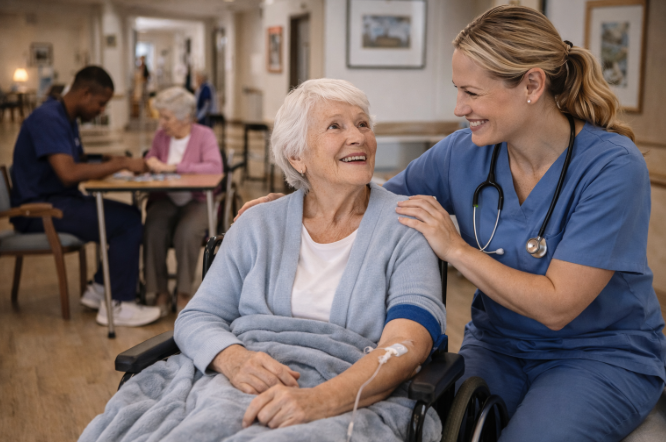 The primary purpose of an interdisciplinary care conference is to coordinate clinical decisions among the professionals involved in a resident’s care. Each discipline brings a different perspective based on its role in treatment and daily support. By discussing progress and challenges collectively, the team can develop a care plan that reflects the full scope of the resident’s needs.
These meetings also help ensure that changes in a resident’s condition are recognized and addressed promptly. Staff members who interact with the resident regularly may notice shifts in mobility, appetite, mood, or cognitive functioning. Bringing those observations into a formal discussion allows the team to determine whether adjustments to medications, therapy schedules, or daily routines may be appropriate.
Members Of The Interdisciplinary Care Team
A care conference typically includes representatives from several clinical and support roles within the facility. The exact composition may vary, but most meetings involve nursing staff, rehabilitation therapists, social services personnel, and dietary specialists. In many cases, a physician or nurse practitioner may also review the conference outcomes or participate directly when medical decisions require their input.
Each team member contributes information specific to their field. Nursing staff may discuss medication management and daily clinical monitoring. Therapists report on mobility progress, strength training, or speech and swallowing evaluations. Social workers may address emotional well-being, family communication, or discharge planning considerations. This combination of perspectives allows the care plan to reflect the resident’s physical, emotional, and functional status.
When Care Conferences Typically Occur
Interdisciplinary care conferences are often scheduled at key points during a resident’s stay. Many facilities hold an initial conference shortly after admission. This meeting allows the team to review medical history, establish treatment goals, and determine the therapies or nursing interventions that will guide the early stages of care.
Additional conferences may occur at regular intervals or when a meaningful change in the resident’s condition is observed. For example, a resident recovering from surgery may require more frequent reviews while rehabilitation goals are actively progressing. In other cases, conferences may be scheduled when a resident experiences new symptoms, a decline in mobility, or a shift in cognitive functioning.
Topics Commonly Discussed During Conferences
Care conferences focus on a range of topics related to the resident’s health and daily functioning. Clinical updates often include changes in vital signs, response to medications, wound healing progress, or management of chronic conditions. These details help the team determine whether the current treatment approach remains appropriate.
Functional ability is another key discussion point. Rehabilitation professionals may review mobility improvements, balance training progress, or speech therapy outcomes. The team may also examine whether assistive devices or modifications to daily routines are needed to maintain safety and independence as much as possible.
Reviewing Progress Toward Care Plan Goals
Every resident in a skilled nursing environment typically has a care plan outlining medical treatments, therapy objectives, and daily support needs. Interdisciplinary conferences provide a structured opportunity to review how well those goals are being met. Staff members compare the resident’s current status with earlier assessments to determine whether progress is occurring as expected.
When goals are not being met, the team may explore possible reasons. For instance, pain management issues, fatigue, medication side effects, or environmental factors can influence rehabilitation progress. Identifying these barriers during a conference allows the care team to modify strategies before setbacks become more significant.
Adjusting Treatment And Support Strategies
One of the most practical outcomes of a care conference is the adjustment of treatment strategies. As residents respond to therapy or experience changes in health status, the care plan often requires updates. These updates might involve altering therapy frequency, modifying medication schedules, or revising dietary recommendations.
For example, if a resident’s mobility improves faster than expected, therapists may recommend new exercises or expanded rehabilitation goals. Conversely, if a resident experiences fatigue or discomfort during therapy sessions, the team may modify the pace of treatment to maintain progress without creating unnecessary strain.
Involving Residents And Family Members In Discussions
 Many facilities encourage resident and family participation in care conferences when appropriate. These discussions allow family members to ask questions, share observations, and better understand how care decisions are made. Their perspective can be valuable, particularly when residents have long-standing routines, preferences, or health histories that influence care planning.
Family participation can also improve communication between staff and relatives. When families understand the clinical reasoning behind treatment decisions, they are better prepared to support the resident emotionally and practically. This transparency helps build trust and reduce confusion about the goals of care.
Documentation And Follow-Up After The Meeting
After a care conference concludes, the decisions made during the meeting are typically documented in the resident’s medical record. This documentation ensures that all staff members involved in daily care have access to updated instructions and understand any changes that were agreed upon by the interdisciplinary team.
Follow-up actions may include updating therapy schedules, adjusting medication orders, or revising daily care routines. Documentation also provides a clear reference point for future conferences, allowing the team to evaluate whether the adjustments discussed during earlier meetings produced the expected outcomes.
Why Coordination Matters In Complex Care Environments
Residents receiving skilled nursing care often live with multiple medical conditions, recovery needs, or functional limitations. Managing these issues requires coordination across several healthcare disciplines. Without structured communication, important clinical details may remain isolated within individual departments.
Interdisciplinary care conferences reduce that risk by bringing together the professionals responsible for different aspects of care. When observations, treatment responses, and resident preferences are discussed collectively, the resulting care plan reflects a more complete understanding of the resident’s needs. This coordinated approach helps maintain continuity in daily care while supporting thoughtful adjustments as health conditions evolve.
leave A comment