
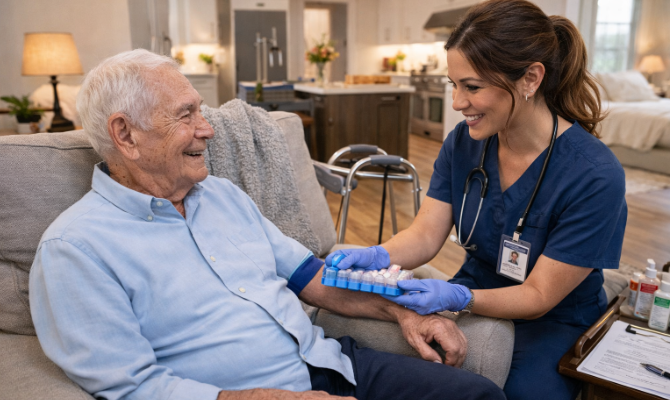
Preventing Hospital Readmissions Through Continuous Monitoring
March 18, 2026 0 Comment Category: Skilled NursingHospital readmissions often reflect gaps in care that occur after a patient leaves an acute setting. These gaps can involve missed symptoms, medication issues, or delayed responses to changes in condition. Even when a hospital stay successfully stabilizes a patient, recovery rarely ends at discharge. Many individuals continue to manage complex medical needs, and the transition from a highly monitored hospital environment to a less structured setting can introduce new risks.
Continuous monitoring helps close this gap by maintaining consistent clinical awareness during recovery. Instead of relying on periodic checkups or patient self-reporting alone, healthcare staff observe patterns in vital signs, symptoms, and functional ability. Within skilled nursing services, this type of monitoring becomes part of everyday care routines, allowing staff to identify concerns early and respond before complications require hospital-level treatment.
Why Readmissions Occur After Initial Treatment
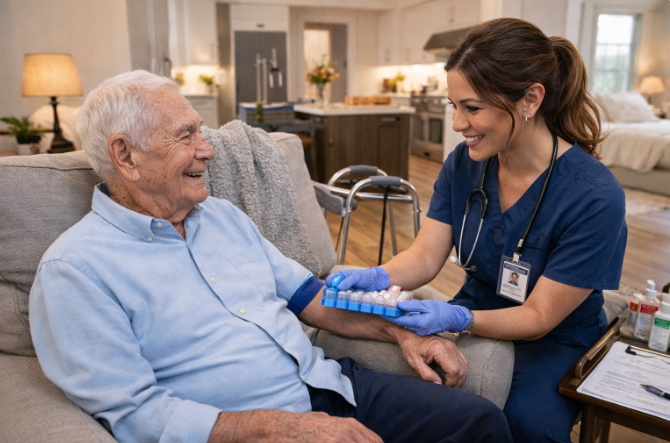 Many readmissions are linked to complications that develop after discharge. Infections may emerge at surgical sites, chronic illnesses may become unstable, or previously controlled symptoms may return. Patients leaving the hospital are often still medically vulnerable, especially when recovery involves complex medication schedules, dietary restrictions, or mobility limitations.
Another factor is the difficulty many patients face when managing care independently. Instructions given at discharge may be detailed and medically complex, and small misunderstandings can lead to missed medications or delayed responses to symptoms. Without trained observation, early warning signs may be mistaken for normal recovery discomfort.
In addition, some conditions evolve gradually rather than suddenly. Subtle shifts in breathing patterns, fluid retention, or blood pressure may begin days before a serious complication occurs. When these early indicators are not identified and addressed, patients may deteriorate to a point where hospitalization becomes the only safe option.
What Continuous Monitoring Involves in Practice
Continuous monitoring refers to the consistent observation of a patient’s health status over time rather than relying on occasional evaluations. This includes scheduled vital sign checks, monitoring of oxygen levels, observation of mobility and physical comfort, and routine review of symptoms that could indicate emerging issues.
Care teams also track patterns rather than single measurements. For example, a patient’s temperature may remain within a normal range but gradually trend upward over several days. Observing this progression can signal a developing infection before the fever becomes pronounced.
In structured care environments, monitoring is integrated into daily activities. Staff members may observe how a patient tolerates meals, whether fatigue levels change during therapy sessions, or how breathing responds to activity. These practical observations provide context that complements clinical measurements.
Identifying Early Warning Signs Before They Escalate
One of the most important functions of continuous monitoring is identifying small changes that signal a potential decline in health. Early warning signs often appear gradually and may not seem urgent when viewed in isolation. A slight increase in confusion, a mild drop in appetite, or small shifts in blood pressure may represent the beginning of a larger medical concern.
When trained staff consistently observe patients, they can compare current conditions with previous patterns. This helps them recognize when a change represents normal recovery and when it may indicate a complication. For example, increased shortness of breath during routine movement may suggest worsening respiratory function rather than simple fatigue.
Responding early allows clinicians to adjust care before symptoms escalate. Interventions may involve reviewing medications, increasing hydration, ordering diagnostic tests, or notifying a physician. Addressing issues during these early stages can often prevent the progression that leads to hospital readmission.
Medication Management and Its Role in Preventing Readmissions
Medication management is a significant factor in post-hospital recovery. Many patients are discharged with new prescriptions, dosage adjustments, or temporary medications that differ from their previous routines. Managing multiple medications correctly requires careful organization and understanding.
Continuous monitoring supports medication safety by ensuring that each dose is administered according to the prescribed schedule. Staff members verify medication types, observe how patients respond, and document any unusual symptoms that may appear after administration.
This process also helps detect adverse reactions that patients may not recognize on their own. Symptoms such as dizziness, nausea, or unusual fatigue can indicate that a medication is not being tolerated well. Identifying these reactions quickly allows clinicians to consult with prescribing physicians and make appropriate adjustments before the situation worsens.
Coordinating Care Across Providers
Preventing readmissions often depends on how effectively different healthcare providers communicate with one another. Patients recovering from serious illness may receive input from multiple professionals, including physicians, therapists, and nursing staff. Without coordination, important information can become fragmented.
Continuous monitoring provides a clear and organized record of a patient’s condition over time. When updates are documented consistently, healthcare providers can review trends, identify concerns, and modify treatment plans accordingly. This shared information ensures that decisions are based on accurate and current observations.
Coordination also helps maintain consistency in treatment. For example, a physician may adjust medication based on observed symptoms, while therapists modify rehabilitation activities to match the patient’s physical tolerance. When care decisions are aligned, patients receive a more stable and predictable recovery process.
Monitoring Chronic Conditions During Recovery
Many patients recovering from hospitalization also live with chronic medical conditions that require ongoing management. Conditions such as heart failure, diabetes, and chronic obstructive pulmonary disease often fluctuate in response to stress, medication changes, or physical activity.
Continuous monitoring allows care teams to track indicators that reflect the stability of these conditions. For example, monitoring weight changes may reveal fluid retention in patients with heart conditions, while regular blood glucose checks help maintain control in individuals with diabetes.
These measurements provide important insights into how the body is responding during recovery. When changes occur, staff can intervene by adjusting care routines, modifying dietary considerations, or communicating with physicians about potential treatment updates.
Supporting Functional Recovery and Daily Stability
Medical stability alone does not guarantee a successful recovery. Patients must also regain strength, coordination, and the ability to perform everyday activities safely. Declines in these areas can increase the risk of complications, including falls, infections, or delayed healing.
Continuous monitoring includes observing how patients manage daily tasks such as walking, dressing, or participating in rehabilitation exercises. These observations help staff determine whether recovery is progressing as expected or whether additional support is needed.
For example, a patient who becomes increasingly fatigued during routine activity may require adjustments in therapy schedules or additional rest periods. Recognizing these changes early helps maintain safety and encourages steady progress during recovery.
The Role of Staff Observation and Clinical Judgment
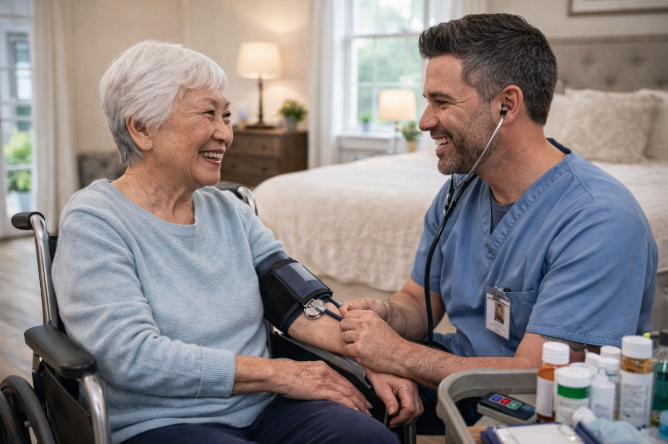 While technology and measurements provide valuable information, human observation remains a critical part of monitoring. Staff members often notice subtle behavioral or physical changes that are not immediately reflected in vital signs or laboratory values.
Examples may include changes in mood, increased restlessness, or differences in how a patient interacts with caregivers. These observations can indicate pain, confusion, or emerging medical concerns that require further assessment.
Clinical judgment allows experienced staff to interpret these signals within the broader context of a patient’s health history and recovery pattern. This perspective helps identify issues that might otherwise remain unnoticed until they become more serious.
Using Data to Guide Timely Interventions
Continuous monitoring generates a detailed record of health indicators over time. When these records are maintained consistently, they provide a clear picture of whether a patient is improving, stabilizing, or beginning to decline.
Reviewing this data allows care teams to make informed decisions about when to intervene. For example, a gradual decline in oxygen saturation or a steady increase in blood pressure may prompt additional testing or changes in medication.
Timely interventions based on observed trends can prevent complications from progressing. Addressing concerns during early stages often requires simpler adjustments, reducing the likelihood that a patient will need hospital-level treatment.
Creating a Structured Environment for Ongoing Monitoring
Continuous monitoring is most effective when it occurs within a structured care environment. Clear protocols guide how assessments are performed, how frequently observations are recorded, and how changes in condition are communicated to the care team.
Structured routines ensure that monitoring occurs consistently rather than sporadically. Regular assessments of vital signs, symptom reviews, and functional observations provide a reliable stream of information about each patient’s condition.
This organized approach also supports continuity across staff members. When care providers follow the same documentation and monitoring practices, information remains consistent even during shift changes. Maintaining this continuity helps ensure that emerging concerns are recognized quickly and addressed before they develop into serious complications.
leave A comment