

Subacute Skilled Nursing Vs Long-Term Custodial Care
March 26, 2026 0 Comment Category: Skilled NursingCare needs often change after a hospital stay or as chronic conditions progress. Two common forms of post-acute and ongoing support are subacute skilled nursing and long-term custodial care. While both take place in supervised care environments, they serve different purposes, involve different levels of medical oversight, and follow different timelines.
Understanding how these care types differ can help families and patients make more informed decisions about recovery, safety, and long-term support. The distinction is not only about duration but also about the type of care delivered and the goals of treatment.
What Subacute Skilled Nursing Involves
 Subacute skilled nursing is designed for individuals who need continued medical care after a hospital stay but do not require intensive hospital-level treatment. This level of care focuses on recovery, stabilization, and gradual improvement under clinical supervision.
Patients in subacute settings often receive services such as wound care, intravenous medications, respiratory therapy, and physical rehabilitation. These services are coordinated by licensed medical professionals, including registered nurses and therapists, who monitor progress and adjust care plans as needed.
The Purpose Of Subacute Care In Recovery
The primary goal of subacute care is to support recovery and help individuals regain function. It is often used as a transitional step between hospital discharge and returning home or moving to a lower level of care.
Care plans are typically structured around measurable outcomes, such as improved mobility, better management of a medical condition, or increased independence with daily tasks. Progress is evaluated regularly, and care intensity may change as the patient improves.
What Long-Term Custodial Care Covers
Long-term custodial care focuses on assisting individuals with daily living activities rather than treating complex medical conditions. It is designed for people who need ongoing support due to aging, disability, or chronic illness.
This type of care includes help with bathing, dressing, eating, mobility, and personal hygiene. While some medical monitoring may be present, custodial care does not involve the same level of clinical intervention as skilled nursing.
Daily Support Needs In Custodial Care Settings
Individuals in custodial care typically require consistent assistance throughout the day. This may include reminders for medication, help with transfers, and supervision to prevent falls or injuries.
Care routines are often stable and predictable, with an emphasis on maintaining comfort and quality of life rather than achieving specific medical recovery goals. Staff focuses on providing reliable, routine support that aligns with long-term needs.
Key Differences In Medical Oversight
One of the most important distinctions between subacute skilled nursing and custodial care is the level of medical involvement. Subacute care includes ongoing clinical treatment, with licensed nurses and therapists actively managing medical conditions.
In contrast, custodial care does not typically involve complex medical procedures. Medical professionals may oversee general health, but daily care is centered on assistance rather than treatment. This difference affects staffing, care planning, and the types of services available.
Duration And Expected Length Of Stay
Subacute skilled nursing is usually short-term, often lasting days to several weeks, depending on the patient’s condition and recovery progress. The expectation is that the individual will either return home or transition to another level of care once goals are met.
Custodial care, on the other hand, is long-term by nature. It may continue indefinitely, especially when an individual’s needs are not expected to improve significantly. The focus is on sustained support rather than discharge planning.
How Care Plans Are Structured
Care plans in subacute settings are goal-oriented and frequently updated. They include specific clinical objectives, therapy schedules, and measurable benchmarks for recovery. Adjustments are made based on medical evaluations and patient response to treatment.
In custodial care, plans are more focused on routine and consistency. They outline daily assistance needs and prioritize stability rather than change. While updates can occur, they are typically based on gradual shifts in functional ability rather than short-term progress.
When Subacute Skilled Nursing May Be Appropriate
Subacute care is often appropriate for individuals recovering from surgery, illness, or injury who still need medical supervision. It is commonly used for patients who are not ready to return home safely but do not require hospitalization.
Situations may include recovery from joint replacement, management of complex wounds, or rehabilitation after a stroke. In these cases, structured clinical care helps reduce complications and supports a safer transition.
Facilities that provide nursing home care may include subacute services as part of a broader care continuum, allowing patients to receive both medical and rehabilitative support in one setting.
When Long-Term Custodial Care Is More Suitable
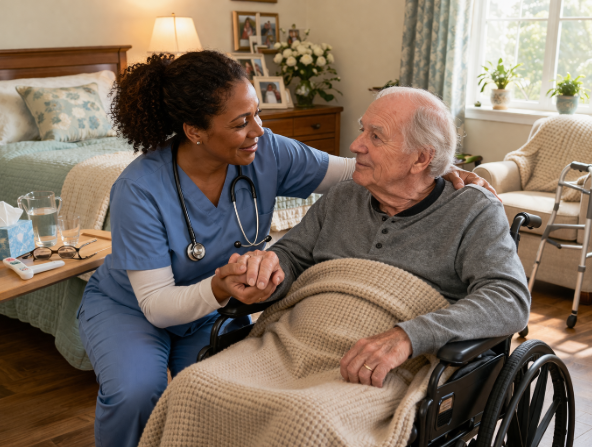 Custodial care is more appropriate when an individual requires ongoing help with daily activities but does not need intensive medical treatment. This often applies to those with cognitive decline, mobility limitations, or chronic conditions that are stable but require supervision.
Rather than focusing on recovery, the goal is to maintain safety, comfort, and daily functioning over time. This type of care is particularly relevant when returning home is not feasible due to the level of assistance required.
Financial And Coverage Considerations
Coverage for subacute skilled nursing and custodial care can differ significantly. Subacute care is often covered for a limited period under certain insurance plans or government programs when specific clinical criteria are met.
Custodial care is less likely to be covered in the same way, as it is considered non-medical support. Long-term care planning often involves private payment, long-term care insurance, or other financial arrangements. Understanding these differences is important when evaluating care options.
Transitioning Between Care Types
It is common for individuals to move from subacute skilled nursing to custodial care if their condition stabilizes, but they continue to need assistance. This transition reflects a shift from recovery-focused care to long-term support.
Care teams typically assess progress and recommend next steps based on safety, functional ability, and available support systems. Transitions are planned to minimize disruption and ensure continuity of care as needs evolve.
leave A comment