
Post-ICU Skilled Nursing Near Arcadia And San Marino: Transitioning From Critical Care
March 13, 2026 0 Comment Category: Skilled NursingLeaving the intensive care unit often marks an important milestone in recovery, but it rarely means that medical supervision is no longer necessary. Many patients who survive critical illness continue to face complex health needs that cannot yet be managed safely at home. The period following ICU discharge frequently involves ongoing monitoring, medication management, rehabilitation, and coordinated clinical care.
A post-ICU transition into a skilled nursing environment is designed to provide this level of structured support. These settings help bridge the gap between hospital-based critical care and eventual return to home or a lower level of care. The focus is on stabilizing health conditions, restoring functional abilities, and ensuring that recovery continues in a controlled and medically supervised setting.
Why Many Patients Require Continued Care After ICU Discharge
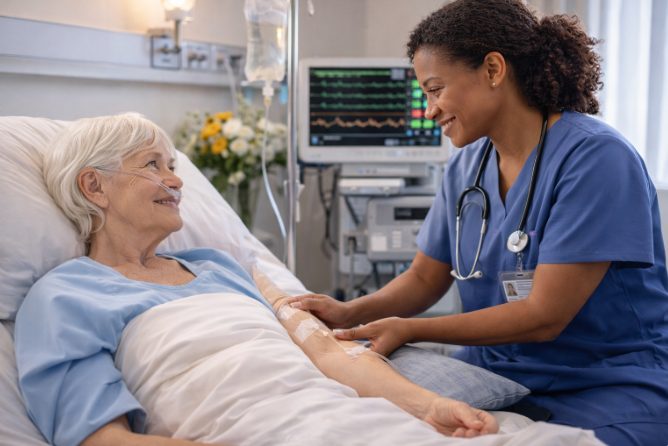 Critical illness often places significant strain on multiple organ systems. Even when a patient no longer requires intensive care monitoring, the body may still be recovering from respiratory failure, severe infections, trauma, major surgery, or other life-threatening conditions. This recovery process frequently involves lingering weakness, medical instability, and a need for careful clinical oversight.
Patients leaving the ICU may require ongoing oxygen therapy, wound management, IV medications, or careful adjustment of complex medication regimens. Others may still be regaining strength after prolonged bed rest or mechanical ventilation. Skilled nursing environments are equipped to manage these conditions while gradually supporting patient independence as recovery progresses.
The Role of Skilled Nursing in Post-ICU Recovery
Post-ICU care requires coordination between nursing staff, physicians, rehabilitation specialists, and other healthcare professionals. Skilled nursing facilities provide a structured clinical setting where these disciplines work together to monitor health status and guide recovery.
This level of care typically includes regular nursing assessments, physician oversight, rehabilitation therapies, and careful monitoring of symptoms that could signal complications. Patients who are not yet stable enough for home care benefit from the availability of trained medical staff throughout the day and night.
Facilities offering skilled nursing services are specifically structured to support patients whose medical needs remain complex but no longer require hospital-level treatment.
Common Medical Conditions Managed After ICU Stays
The reasons for ICU admission vary widely, and the conditions that require continued care afterward can be equally diverse. Patients recovering from severe infections such as sepsis may still require close monitoring for organ function and immune response. Others recovering from cardiac events may need observation while medications are stabilized and strength returns.
Respiratory conditions are also common among post-ICU patients. Individuals who require ventilator support may still depend on oxygen therapy or respiratory treatments during recovery. Skilled nursing staff can monitor breathing patterns, oxygen saturation, and signs of respiratory fatigue while supporting gradual improvement.
In addition, patients who experienced trauma or major surgery may require wound care, pain management, and physical rehabilitation before returning home safely.
Monitoring and Medical Oversight During the Transition Phase
One of the most important aspects of post-ICU care is consistent medical observation. Although a patient may be stable enough to leave intensive care, complications can still develop during early recovery. Skilled nursing environments provide structured monitoring that helps identify potential problems before they escalate.
Vital signs, medication responses, fluid balance, and neurological status may all be tracked regularly. Nurses and clinicians also watch for signs of infection, changes in respiratory function, or shifts in blood pressure that could signal a setback in recovery.
This structured observation creates a safety net for patients who are still medically fragile but no longer require ICU equipment or constant physician presence.
Physical Rehabilitation After Critical Illness
Many ICU patients experience a condition known as post-intensive care syndrome, which can involve severe muscle weakness, fatigue, and difficulty performing basic physical tasks. Prolonged immobility during hospitalization can cause significant loss of strength and endurance.
Physical therapy plays an important role in helping patients rebuild mobility. Rehabilitation may begin with simple activities such as sitting upright, standing with support, or short assisted walks. Over time, therapy progresses toward improving balance, coordination, and functional independence.
Structured rehabilitation programs allow patients to regain strength in a controlled and supervised setting. This gradual approach reduces the risk of falls or injury while supporting steady improvement in physical ability.
Respiratory Support and Recovery
Patients recovering from respiratory failure, pneumonia, or prolonged ventilator use often require ongoing respiratory support after leaving the ICU. Even when mechanical ventilation is no longer needed, breathing muscles may still be weak, and lung function may take time to improve.
Respiratory therapy can include breathing exercises, airway clearance techniques, oxygen management, and monitoring of respiratory function. Skilled nursing teams track oxygen levels and watch for signs of shortness of breath, fatigue, or respiratory distress.
This ongoing supervision helps patients rebuild lung capacity safely while reducing the risk of complications that could lead to hospital readmission.
Medication Stabilization and Complex Treatment Plans
 Critical illness often results in complicated medication regimens. Patients may leave the ICU with multiple prescriptions addressing infection control, cardiovascular health, pain management, anticoagulation, or other medical needs. Adjusting these medications safely requires careful coordination.
Skilled nursing teams monitor how patients respond to medications and watch for side effects or interactions. Blood tests, vital sign monitoring, and symptom tracking may all inform adjustments to treatment plans.
This structured medication management helps ensure that treatment remains effective while reducing the risk of complications related to dosing errors or adverse reactions.
Nutritional Support During Recovery
Critical illness can significantly affect appetite, digestion, and nutritional status. Many patients leave the ICU with weight loss, reduced muscle mass, or difficulty eating normally. Nutritional recovery is an important component of overall healing.
Dietitians and care teams may develop individualized meal plans that provide adequate calories, protein, and essential nutrients. In some cases, patients may still require modified diets, supplemental nutrition, or assistance with feeding.
Monitoring nutritional intake helps support muscle rebuilding, immune function, and energy levels during the recovery period.
Preparing Patients for the Next Stage of Care
Post-ICU skilled nursing care is often designed as a transitional stage rather than a permanent placement. As patients regain strength and medical stability, the care team evaluates whether they can safely move to the next phase of recovery.
For some individuals, this next step may involve returning home with outpatient therapy or home health support. Others may transition to assisted living or another long-term care setting if additional support remains necessary.
The goal during this phase is to ensure that recovery has progressed far enough for patients to function safely in the next environment, with reduced risk of complications or hospital readmission.
leave A comment