
Blog
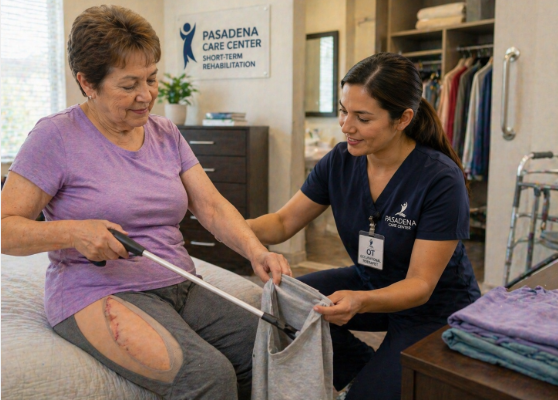
What to Expect During Short-Term Rehab After Hip Replacement
April 28, 2026 0 CommentShort-term rehabilitation after hip replacement is a structured, medically supervised recovery program that helps your loved one rebuild strength, relearn movement patterns, and return home safely after surgery. Most people are discharged from the hospital within one to three days of a hip replacement. That is not enough time to recover. The…
Read More
Does Medicare Cover Skilled Nursing Facility Stays in California?
April 27, 2026 0 CommentMedicare does cover skilled nursing facility stays, but only under specific conditions, and only for a limited time. For many families in the Pasadena area, understanding exactly how this coverage works is the difference between a smooth transition and a costly surprise. Here is what you need to know before your loved…
Read More
What Is a Convalescent Home and Who Needs One?
April 23, 2026 0 CommentA convalescent home is a licensed care facility that provides short-term medical supervision, nursing care, and rehabilitation services for people recovering from surgery, a serious illness, or a significant injury. If your loved one has just been discharged from the hospital but is not yet ready to return home safely, a convalescent…
Read More- 1
- 2
- 3
- …
- 94
- Next Page »