
Blog
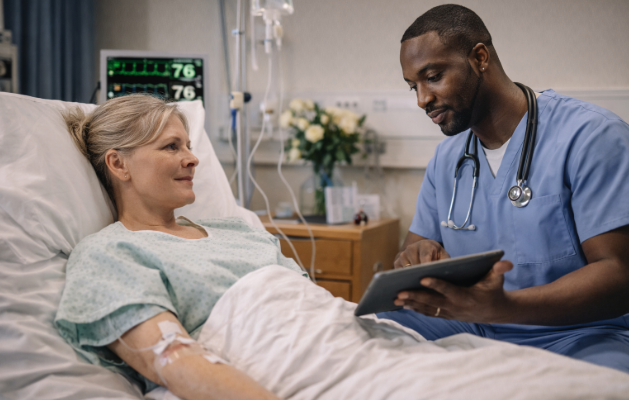
Clinical Stabilization After Major Surgery Or Acute Illness
April 13, 2026 0 CommentClinical stabilization refers to the period immediately following a major surgery or acute medical event when a patient’s condition is no longer rapidly changing but still requires close medical oversight. During this phase, the focus shifts from urgent intervention to careful monitoring, gradual recovery, and prevention of secondary complications. Stabilization is not…
Read More
Where To Find High-Acuity Skilled Nursing Support In The San Gabriel Valley
April 8, 2026 0 CommentHigh-acuity skilled nursing support is required when a patient’s medical needs exceed what can be safely managed at home or in lower-level care environments. This level of care typically follows hospitalization or is needed for individuals with complex, ongoing medical conditions. Understanding where and how to find appropriate care involves more than…
Read More
When Medical Needs Exceed What Home Care Can Safely Provide
April 3, 2026 0 CommentHome-based care can support many individuals with daily assistance, medication reminders, and basic monitoring. It often works well when medical needs are stable, predictable, and do not require frequent clinical judgment. For individuals recovering from minor procedures or managing early-stage chronic conditions, this level of care can provide comfort and familiarity while…
Read More- « Previous Page
- 1
- 2
- 3
- 4
- …
- 94
- Next Page »